
Mastering External Repairs: Essential Masonry Materials for Your Southwark Home
Updated: Mar 7
When it comes to maintaining your Southwark home, external repairs are crucial to protect your property from weather damage and keep it looking its best. Masonry repair plays a big role in this process, especially for homes with brick, stone, or concrete exteriors. Knowing the right materials and how to use them can save you time, money, and frustration. In this post, I’ll walk you through the essential materials for masonry repair and share practical tips to help you tackle common external repairs confidently.

Understanding Masonry Repair Basics
Masonry repair involves fixing or restoring brickwork, stonework, or concrete surfaces. Over time, these materials can crack, crumble, or lose their mortar due to weather exposure, settling, or age. The goal of masonry repair is to restore the structural integrity and appearance of your home’s exterior.
Common issues you might face include:
Cracked or missing mortar joints
Loose or damaged bricks or stones
Surface erosion or spalling
Water penetration through damaged masonry
Before starting any repair, it’s important to assess the damage carefully. Small cracks or missing mortar can often be fixed with simple patching, while larger structural issues may require professional help. For most homeowners, knowing the right materials and how to apply them is the first step.
Essential Materials for Masonry Repair
Choosing the right materials is key to a successful repair. Here are the main materials you’ll need for typical external masonry repairs:
Mortar Mix
Mortar is the glue that holds bricks and stones together. For repairs, you’ll want a mortar mix that matches the original as closely as possible in color and composition. There are different types of mortar mixes:
Type N: General-purpose mortar, good for above-grade walls exposed to weather.
Type S: Stronger and more durable, suitable for below-grade or high-stress areas.
Type O: Low-strength mortar, mainly for interior or non-load-bearing walls.
For most Southwark homes, Type N mortar is a reliable choice for external repairs. You can buy pre-mixed mortar or mix your own using sand, cement, and lime.
Brick and Stone Replacement
If you have damaged bricks or stones, you’ll need to source replacements that match your home’s existing materials. Salvaged bricks from demolition sites or specialized suppliers can help you find a close match in color and texture.
Trowels and Pointing Tools
Proper tools make the job easier and neater. A pointing trowel helps you apply mortar precisely into joints, while a brick trowel is useful for spreading mortar on bricks or stones.
Chisels and Hammers
For removing damaged mortar or bricks, a masonry chisel and hammer are essential. They allow you to carefully chip away old material without damaging surrounding masonry.
Water and Brushes
Clean water is needed to dampen surfaces before applying mortar, which helps it bond better. Brushes help clean debris and smooth the mortar finish.
How to Do Basic Masonry Repair
Here’s a simple step-by-step guide to repairing mortar joints on your Southwark home:
Prepare the area
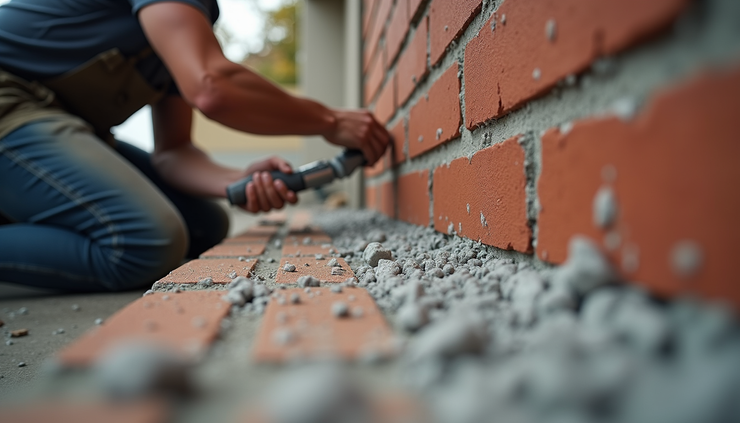
Use a chisel and hammer to remove loose or damaged mortar to a depth of about 20mm. Clean the joints with a brush to remove dust and debris.
Dampen the surface
Lightly spray or brush water onto the brick or stone and the empty joints. This prevents the masonry from drawing moisture out of the new mortar too quickly.
Mix the mortar
Follow the instructions on your mortar mix packaging. Aim for a consistency like thick peanut butter.
Apply the mortar
Use a pointing trowel to press mortar firmly into the joints. Fill the joint completely, avoiding air pockets.
Shape and smooth
Once filled, shape the mortar to match the existing joint profile using the trowel or a jointing tool.
Clean excess mortar
After the mortar starts to set but is still soft, brush away any excess from the brick faces with a soft brush.
Cure the mortar
Keep the repaired area moist for a few days by misting with water. This helps the mortar cure properly and gain strength.
For replacing bricks or stones, the process is similar but involves carefully removing the damaged unit, cleaning the cavity, applying fresh mortar, and setting the new brick or stone in place.
Tips for Long-Lasting Masonry Repairs
Match materials carefully: Using mortar or bricks that don’t match the original can cause further damage or look out of place.
Work in suitable weather: Avoid very hot, cold, or wet days for repairs. Mild, dry weather is best.
Take your time: Rushing can lead to weak joints or messy finishes.
Inspect regularly: Check your masonry every year for signs of wear and address small issues before they grow.
Consider professional help: For large cracks, structural damage, or complicated stonework, a professional builder like Southwark Builders can provide expert repairs.
Why Masonry Repair Matters for Southwark Homes
Southwark’s climate, with its mix of rain and occasional frost, can be tough on masonry. Proper external repairs protect your home from water damage, improve energy efficiency by sealing gaps, and maintain your property’s value. Whether you’re fixing a small crack or restoring a historic brick façade, using the right materials and techniques makes all the difference.
If you want to learn more or need expert help, visit Southwark Builders for trusted advice and services tailored to local homes.


Comments